Eye Dark Circles: An Overview
Posted By Edge
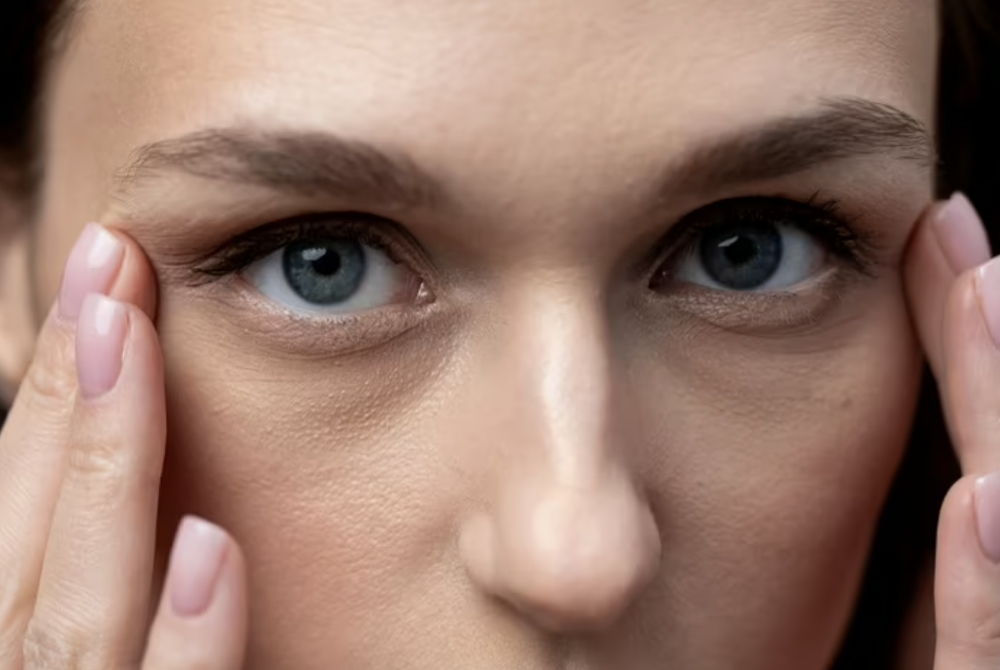
| Darker areas under the eyes often referred to as dark circles, are one of the most common concerns people have about their appearance. A darker skin tone doesn't automatically mean that you'll get dark circles under the eyes, nor will lighter skin guarantee a blemish-free eye zone. What are dark circles? Dark circles under the eyes are a common problem, and they’re often an indicator of poor sleep or stress. It’s important to know that dark circles can be caused by other factors too. Dark circles are most commonly caused by blood vessels under the eyes, which makes sense when you think about it; if you have puffy eyes due to lack of sleep or allergies, then this condition will only make them worse over time! Dark circles can also be caused by bruising from trauma or injury as well as inflammation from heat or cold exposure. It can appear due to several reasons, including:
Conclusion If you have dark circles, the first step to addressing them is to know what kind of circles you have. The more you know about your condition, the more confident you'll be in treating it. With the correct lifestyle changes and eye products you use, you can reduce the appearance of dark circles under your eyes. |
RECOMMENDED FOR YOU