The Retinol Routine
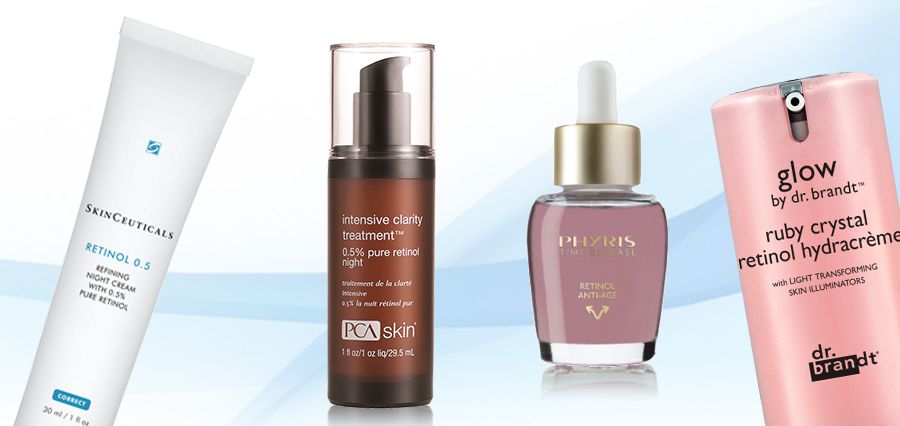
If you aren't using Retinol already, chances are that you've at least heard of it! Retinol, a form of vitamin A, is an anti-aging ingredient thats proven to stimulate and increase collagen production in your skin - something that you need as you start to get a little bit older.
Knowing when and how to use it can be a little confusing. Keep Reading!
What Is Retinol?
Retinol is a form a vitamin A. For years we've known that Vitamin A is good for you. We eat carrots because they are good for your eyes since they contain a form of Vitamin A (carotenoids) that we know is good for you skin and eyes, and we know it helps so many other aspects of the body.
More and more we're learning about it and how to use it appropriately on our skin. We are learning that it can have dramatic effects on every aspect of your skin. Whether you have acne or or aging - whatever your problem, certain retinoids are going to be helpful for you!
What's The Difference Between Retinol and Retin-A?
They are both considered Retinoids, but Retin-A is a lot stronger. Retin-A was first used to treat acne and was later discovered to be fantastic for aging skin! There are many other brand names for Retin-A which are in products to treat everything from acne to skin discoloration. However, Retin-A is a FDA regulated drug whereas Retinol is a cosmetic ingredient. Retinol is more mild version (less concentrated) and found in many skin care products that dont require a prescription.
So How Does it Work in an Antiaging Routine?
As an antiaging ingredient, it normalizes the top layer your skin, your stratum corneum, and it also has a wonderful effect even deeper in the skin - the results can be spectacular! By applying it at the right time, in the right order, and using it in combination with other ingredients can make a dramatic difference in your face, regardless of your age! It can really help you in many different ways.
What Kind of Products Do We Find It In?
Retinol is found in many skin care products, there are some products that claim they're just Retinol but they obviously have other ingredients in them. When you think about Retinols, they've been used in prescriptions for many years; accutane is a vitamin A, for example. Realizing how we can make it more powerful when we use it topically in over-the-counter products is really the trick. Ideally, you would want to use Retinol products that also have antioxidants and anti-inflammatories, so products that also have Vitamin C are great. We also want to hydrate the skin, so using hyaluronic acid is also a favorable ingredient to include.
Is There a Certain Age or Time to Start Using Retinol?
You're never too old or too young to get started (obviously, don't give it to a 5 yr old since they don't need it..) As we're concerned about aging, of course this is great ingredient to look for in our skin care. Retinol also can reduce acne, so it can also be used by teenagers.
When is the Best Time to Use It?
Use Retinol only at night, since it makes your skin sensitive to sun. Apply it at night and be careful not to over apply it; it can be very powerful and can cause a bit of irritation, just use a little to start and build up tolerance. By using at night, you have 8 hours before your skin will be exposed to sunlight. Make sure that you use sunscreen religiously if you are using a Retinol product. Depending on the formulation and your skin, using a Retinol nightly is ideal but if it seems to be a little irritating, then you can use it every other night or every third night.


